
The nighttime economy could become a new growth driver for HCM City if it is developed as a complete ecosystem rather than through fragmented efforts, experts and policymakers have agreed.
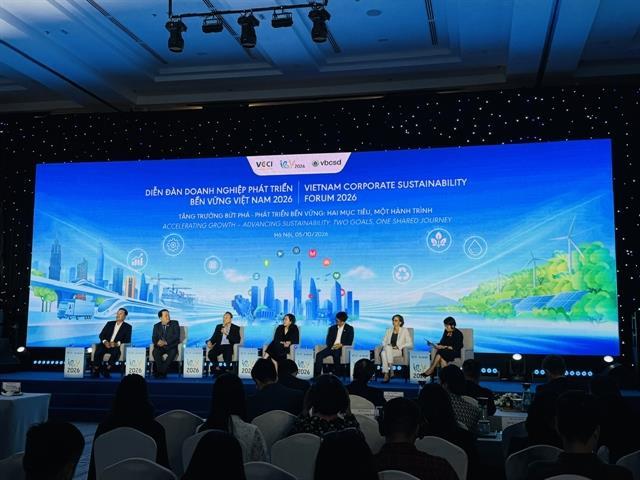
The Vietnam Economic Forum 2026 in Hà Nội gathered policy makers and researchers to discuss the urgency of reshaping the country’s development strategy amid fast-changing global and domestic conditions.
Deputy PM Nguyễn Chí Dũng has called for stronger business links and proposed Italian industrial parks in Việt Nam to deepen investment, technology transfer and supply chain cooperation.
Saigon Union of Trading Cooperatives (Saigon Co.op), the country''s leading supermarket chain, targets double-digit sales growth in 2026, opening nearly 100 new stores and increasing e-commerce revenues by 30 per cent.
Thai Ambassador Urawadee Sriphiromya praised Phú Thọ’s development orientations, stating that stronger partnerships in investment, trade, tourism, and people-to-people exchanges are highly feasible.
Tây Ninh is strengthening its position as the country’s leading cassava hub, as the province moves to upgrade its value chain and expand exports amid deeper international integration.
In the coming period, the SBV will adjust interest rate policy in line with macroeconomic conditions and inflation trends, and require credit institutions to publicly disclose lending rates to improve transparency.
As savings rate of Vietnamese people is very high at up to 37 per cent of GDP, experts said it is a potential available capital resource that should be exploited to promote economic growth.
The target of achieving GDP growth of 10 per cent or higher through 2026–30 is ambitious but achievable, Nguyễn Ngọc Hòa, interim chairman of the HCM City Union of Business Associations, says.
Looking back, from a poor, war-torn and underdeveloped country, Việt Nam has travelled a long and challenging path yet proud with far-reaching achievements that have strengthened the country’s economic capacity, social resilience and international standing.
2026 would mark the start of a new development phase for the country, making exports a critical driver of growth while also requiring a shift toward a more efficient and sustainable growth model.
The new policies must focus on optimising State resources, improving governance, promoting digitalisation and green development, and balancing State and private sector resources, while reducing unnecessary administrative intervention.
The sector’s contribution to gross domestic product growth was estimated at VNĐ124.1 trillion, an increase of 33.3 per cent year-on-year, according to figures released by the Ministry of Science and Technology.